
WooCommerce cart problems in Incognito mode usually happen when private browsing interferes with the way the cart stores session data, cookies, or browser-based updates. As a result, products may appear to add correctly, then disappear after a refresh, fail to stay in the cart during navigation, or vanish before checkout is completed.
In this guide, we’ll explain why WooCommerce cart breaks in incognito mode, what usually triggers the issue, and which fixes can help restore stable cart behavior. Keep reading to see where the problem starts and how to prevent it from affecting the customer journey.
When Does Incognito Mode Create Cart Problems?
Incognito mode can create cart problems when WooCommerce depends on cookies, browser storage, cached fragments, or delayed scripts to keep the cart working properly. To understand where the issue usually starts, look at the common situations below.
- Cookies Reset Faster: Private browsing can make cart session cookies less stable, which may cause WooCommerce to lose track of the shopper’s active cart.
- Storage Becomes Limited: Some themes or plugins rely on browser storage, and Incognito mode can restrict or clear that data too quickly.
- Cart Updates Fail: AJAX-based cart updates may not behave consistently in private browsing, especially when scripts are delayed or blocked.
- Consent Scripts Interfere: If cart setup depends on cookie banners or tracking scripts, Incognito mode may prevent those processes from running properly.
- Caching Behaves Differently: Isolated cache behavior in Incognito can stop mini carts, totals, or refreshed cart data from displaying as expected.
- Security Rules Trigger Resets: Firewalls or anti-bot tools may treat private sessions more strictly and recreate or break cart sessions during navigation.
Common Signs Your WooCommerce Cart Fails in Private Browsing
Cart issues in private browsing are often easy to miss until you test the full shopping flow directly. The signs usually appear when products seem to add normally at first, but the cart stops holding or updating properly as the shopper moves through the store.
| Common Sign | What It Usually Looks Like |
| Cart Empties After Refresh | A product is added successfully, but the cart shows empty after the page reloads. |
| Products Disappear During Navigation | Items stay in the cart briefly, then vanish after moving to another product or category page. |
| Mini Cart Does Not Update | The mini cart, cart count, or totals fail to reflect the latest added items. |
| Checkout Removes Cart Items | Products appear in the cart at first but disappear when the shopper reaches checkout. |
| Add To Cart Seems To Work, But Nothing Stays | The button responds normally, yet the product is not retained in the cart afterward. |
| Problem Only Happens In Incognito Mode | The cart works in a regular browser window but breaks only in private browsing, which points to a session, cookie, or storage issue. |
Why WooCommerce Cart Breaks in Incognito Mode? Technical Causes
Why WooCommerce cart breaks in Incognito mode usually comes down to how private browsing handles guest sessions, cookies, cached files, and front-end cart scripts. Since Incognito behaves like a clean visitor session, any weakness in WooCommerce guest cart handling becomes easier to expose. The most common technical causes are below.

Reason 1: Session Cookies Do Not Persist Properly
WooCommerce uses session cookies to remember cart contents for guest users. In Incognito mode, those cookies can be more fragile, restricted, or cleared faster, which makes the cart lose track of the active session and causes products to disappear after refresh or navigation.
Reason 2: Cached Pages Serve Outdated Cart Data
Aggressive caching can show a saved version of the cart, mini cart, or totals instead of live session-based content. This becomes more obvious in Incognito mode because WooCommerce is dealing with a fresh guest visit, and cached responses may replace the real cart state.
Reason 3: AJAX Cart Requests Fail For Guest Users
Many WooCommerce carts rely on AJAX to update cart contents without reloading the page. If those requests are blocked, delayed, or mishandled in private browsing, products may appear to add at first but fail to stay in the cart or update correctly afterward.
Reason 4: Cart Fragments Or Dynamic Scripts Break
Mini cart updates often depend on cart fragments and other dynamic JavaScript files. When script optimization, minification, delay settings, or front-end conflicts affect those files, Incognito mode may expose the problem faster by loading the site without stored browser data.
Reason 5: Plugin Or Theme Conflicts Disrupt Guest Cart Behavior
Some themes and plugins interfere with how WooCommerce handles cart sessions, add-to-cart events, or cart refresh actions for non-logged-in users. In Incognito mode, where every visitor acts like a new guest, those conflicts can cause the cart to break more consistently.
Reason 6: WooCommerce Session Data Becomes Stuck Or Inconsistent
Corrupted customer sessions or expired transient data can prevent WooCommerce from tracking the cart properly. When that happens, private browsing may reveal the issue sooner because the cart has to rebuild the full guest session from scratch on each visit.
Reason 7: Cart And Checkout Pages Are Misconfigured
If the cart or checkout pages are missing, assigned incorrectly, or affected by broken permalinks, WooCommerce may fail to carry cart data through the normal purchase flow. Incognito testing often makes this easier to spot because there is no previous browsing state masking the problem.
Reason 8: CDN Or Security Layers Interrupt Cart Sessions
Services like Cloudflare, firewalls, and anti-bot tools can treat private browsing sessions more strictly. When they cache cart-related pages, block session cookies, or challenge background requests, WooCommerce may fail to maintain a stable guest cart in Incognito mode.
How To Fix WooCommerce Cart Breaking In Incognito Mode?
Now that the technical causes are clear, the next step is to test the cart like a real guest user and remove anything that interrupts session-based updates. Start with the most common fixes below, then retest the full cart flow in Incognito after each change to confirm what resolves the problem.
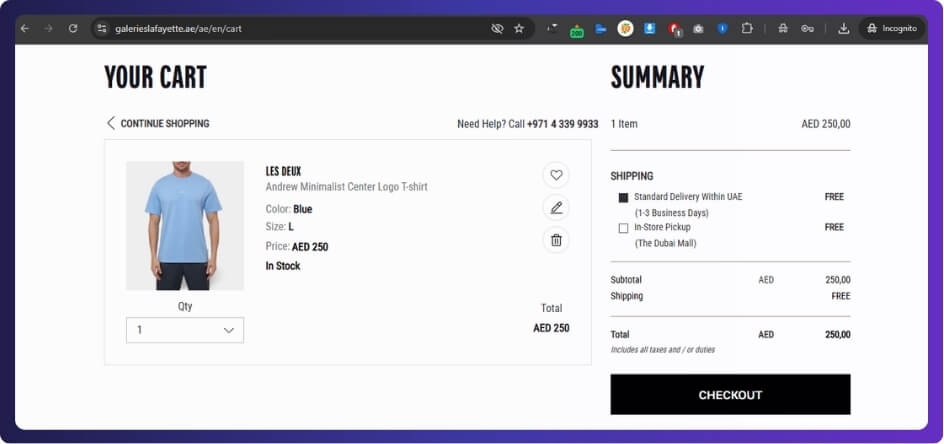
Clear All Cache Layers First
Begin by removing any saved data that may be serving outdated cart content. Clear your WordPress cache plugin, purge CDN cache, and hard refresh the browser so WooCommerce can load fresh cart data for guest sessions.
Reset WooCommerce Customer Sessions
Old or corrupted session data can cause carts to behave unpredictably in private browsing. Go to WooCommerce > Status > Tools and clear customer sessions and transient data so WooCommerce can rebuild clean cart sessions.
Check Whether WooCommerce Cookies Are Working Properly
WooCommerce needs session cookies to remember products added by guest visitors. Test the cart in another browser or device, and review any custom cookie path or domain settings that may prevent those cookies from being created or retained correctly.
Review Cart AJAX And Fragment Behavior
If the cart updates without a full page reload, AJAX and cart fragment scripts need to work correctly for guest users. Check whether script delay, minification, or optimization settings are interfering with add-to-cart requests, mini cart refreshes, or live totals.
Temporarily Disable Caching And Optimization Plugins
Caching, minification, and performance plugins often break WooCommerce cart behavior in Incognito mode. Temporarily deactivate those tools and test again to see whether one of them is serving stale cart data or blocking dynamic requests.
Switch To A Default Theme For Testing
Theme-level JavaScript conflicts can stop the cart from updating correctly for new guest sessions. Switch to a default theme such as Storefront or Twenty Twenty-Four and test the cart in Incognito to check whether the current theme is interfering.
Verify WooCommerce Pages And Permalink Setup
Make sure the cart and checkout pages are correctly assigned and working as expected. It also helps to resave permalinks using the Post name structure, since broken rewrite rules can sometimes affect cart and checkout behavior.
Check The Browser Console For JavaScript Errors
Open Developer Tools in Incognito mode and watch the Console while adding products to the cart. Red JavaScript errors often point directly to the script, plugin, or theme conflict that is stopping the cart from holding or updating items properly.
Exclude Cart And Checkout Pages From CDN Or Firewall Rules
Cart, checkout, and account-related pages should never be aggressively cached. If you use Cloudflare or another security layer, review cache exclusions, bot protection, and firewall rules to make sure guest cart sessions are not being blocked or replaced.
Test After Every Change
Do not apply several fixes at once without retesting. Add a product, refresh the page, move to another page, open the mini cart, and continue to checkout in Incognito so you can identify exactly which change restores stable cart behavior.
How To Test Whether The Cart Works Properly In Incognito Mode?
After applying the fixes, test the full cart flow in a clean private session to confirm everything works as expected. These quick checks can show whether WooCommerce is now holding cart data properly and updating reliably for guest users.
- Add A Product And Refresh: Add one item to the cart, then reload the page to check whether it stays in place after refresh.
- Move Between Store Pages: Visit other product or category pages and confirm the cart still keeps the item during navigation.
- Check The Mini Cart: Open the mini cart or cart icon and make sure the item count, subtotal, and contents update correctly.
- Update Cart Quantities: Change the product quantity and confirm the totals refresh without removing the item or showing outdated values.
- Continue To Checkout: Go from cart to checkout and verify that the product remains in the cart throughout the process.
- Test In Another Browser: Repeat the same steps in a different browser or device to confirm the issue is not tied to one private browsing setup.
- Watch For Remaining Script Errors: Open the browser console in Incognito mode and check for errors while adding products or updating the cart.
- Compare Cart And Stock Behavior: Make sure product availability stays consistent during testing, especially on stores using multi inventory management for WooCommerce, where stock may vary by location.
- Compare With Normal Browsing: Run the same test in a regular browser window and confirm the cart behaves the same way in both sessions.
How To Troubleshoot Cart Problems On Mobile Private Browsing?
Mobile private browsing can expose cart issues differently because browsers handle cookies, cached files, and background scripts more aggressively on phones and tablets. If the cart keeps failing only in mobile private mode, these checks can help you narrow down what is breaking the shopping flow.
- Test Different Mobile Browsers: Try the same cart flow in private mode on Chrome, Safari, or Firefox mobile to see whether the issue appears everywhere or only in one browser.
- Check Whether The Cart Survives Navigation: Add a product, move to another page, and return to the cart to confirm the item still remains there.
- Refresh After Adding A Product: Reload the page after adding an item and make sure the cart does not reset or lose the session.
- Watch The Mini Cart And Totals: Check whether the cart icon, mini cart, and subtotal update correctly after each action.
- Go All The Way To Checkout: Test the full path from product page to checkout so you can confirm the cart stays stable through the entire mobile session.
- Temporarily Turn Off Mobile Optimization Features: Some mobile-specific caching, script delay, or front-end optimization settings can interfere with cart updates in private mode.
- Review Cookie Banners And Popups: Consent tools, sticky popups, or app prompts may interrupt add-to-cart actions or delay important scripts on smaller screens.
- Check For Mobile Theme Conflicts: Mobile layouts sometimes handle buttons, drawers, and cart elements differently, which can create issues that do not appear on desktop.
- Confirm Product Availability Stays Consistent: Make sure shoppers can still add valid items without unexpected availability changes. This matters even more for stores uses WooCommerce multi locations inventory management.
- Compare With Normal Mobile Browsing: Repeat the same test outside private mode to confirm whether the problem is truly caused by mobile private browsing.
FAQs About WooCommerce Cart Issues In Incognito Mode
Private browsing often exposes cart behavior that looks normal during everyday store use, which is why this issue can be confusing to diagnose. These common questions help address the concerns store owners usually have once the main troubleshooting steps are complete.
Does Incognito Mode Affect Logged-In WooCommerce Users The Same Way?
Usually, the issue is more noticeable for guest users because WooCommerce relies more heavily on session cookies and browser-based cart handling for visitors who are not logged in. Logged-in users may still see problems, but guest sessions are often affected first.
Can A Cart Problem In Incognito Mode Hurt Conversions?
Yes, it can. If products disappear, totals fail to update, or checkout does not hold cart items properly, shoppers may leave before completing the purchase. Even a small cart issue in private browsing can create trust problems during checkout.
Why Does The Problem Seem Random Instead Of Happening Every Time?
Cart issues in private browsing can appear inconsistent because they often depend on browser behavior, device type, cache state, active scripts, and third-party tools running at that moment. That is why the same store may seem fine in one test and fail in another.
Should I Test The Cart After Every Major Store Update?
Yes, regular testing is worth doing. Theme changes, plugin updates, performance tweaks, and security adjustments can all affect how the cart behaves for guest visitors, so checking it after major changes helps catch problems early.
Is This Only A Browser Issue, Or Can It Point To A Store-Level Setup Problem?
It can point to both. Private browsing may reveal the issue first, but the root cause often comes from the WooCommerce setup itself, especially when guest cart handling depends on sessions, scripts, or dynamic cart behavior working correctly.
Final Thoughts
Knowing why WooCommerce cart breaks in incognito mode helps narrow the issue much faster, because the problem usually starts where WooCommerce depends on guest sessions, cookies, cached data, or cart scripts to keep items active. Incognito testing removes the usual browser history and stored behavior, which makes weak points in the cart flow easier to spot.
Once those session and caching issues are cleaned up, the cart should hold products more reliably from the product page to checkout. That means a smoother guest experience, fewer abandoned carts, and a WooCommerce store that behaves more consistently across real-world browsing conditions.